
*Updated September 2026
Key takeaways about eye protection:
- Sports-related eye injuries are more common than many people think.
- Unfortunately, many sports don’t require eye protection. However, parents and players may want to add it to their list of safety items to protect their vision.
- The best way to protect your vision is to choose the correct protective gear. Different types of sports glasses and goggles are available for reasonable prices.
Eye protection is one of the most overlooked forms of sports safety. While athletes routinely wear helmets, pads, and mouthguards to protect their bodies, protective eyewear is often skipped.
This is shocking, given the fact that 90 percent of sports-related eye injuries are preventable with proper protective eyewear.
What sports have the highest risk of eye injuries?
What sports come to mind when you think of eye injuries? Skiing, snowboarding, and hockey are obvious, but other activities like basketball, biking, boxing, and soccer also pose risks to the eyes.
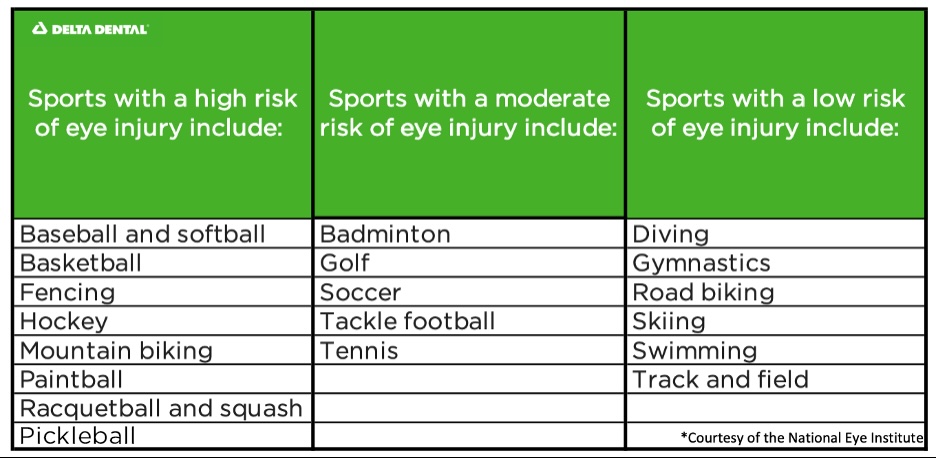
Here are some sports that have varying risk factors of eye injury:
How common are sports-related eye injuries?
Sports-related eye injuries are more common than many people think. In fact, in 2025, there were more than 43,000 sports-related eye injuries in the United States alone, according to the organization Prevent Blindness.
Eye injuries can range widely in type and severity. Without proper eye protection, sports can lead to a variety of traumas, including the following:
- Corneal abrasion: Corneal abrasions occur when the cornea, or “the clear, protective ‘window’ at the front of the eye,” is scratched or injured. This tends to happen when an object such as a pebble, dirt, toy, or a ball hits the eye.
- Hyphema: Hyphema is bleeding in and around the eye, usually after being struck or hit by something. If this appears, it’s crucial to seek medical care immediately.
- Black eye: A black eye occurs after an impact with the eye causes the surrounding tissue to bruise.
- Fractures: Fractures occur when one or more bones surrounding the eye are broken. A significant impact usually causes this. Orbital fractures can cause severe damage to the eye, so visiting an eye doctor is imperative.
- Eyelid laceration: Eyelid lacerations are scratches or cuts that occur on the eyelid. If this happens, have an eye doctor examine the cornea, pupil, and retina to ensure the laceration doesn’t impair vision.
Why should sports require eye protection?
Unfortunately, many sports don’t require eye protection, even though parents and players alike may want to add it to their list of must-have safety gear.
Some sports, like paintball and fencing, carry a high risk of eye injury and do require protective eyewear. Others, like baseball and softball, often don’t, despite the fact that a fast-moving ball can cause serious injury.
Lower-risk sports like biking, skiing, snowboarding, and swimming may not require eye protection either, but that doesn’t mean it isn’t worth wearing. Bikers can benefit from eyewear that keeps rocks, sand, and debris out of their eyes, while skiers and snowboarders get a two-for-one benefit from goggles, which block out wind and debris while also protecting against sun exposure.
Eye protection can also help prevent infection. Swim goggles, for example, keep out chlorine, bacteria, and other chemicals that can otherwise lead to irritation and other eye problems.
How to choose the right eye protection
The best way to protect your vision is to choose the correct protective gear for your sport. Fortunately, there are options that come in a variety of styles, most at reasonable prices.
Types of protective eyewear
Here are some of the most common options:
- Sports glasses: Also known as “rec specs,” sports glasses work well for sports with limited contact or lower intensity, where the risk of impact is relatively low.
- Sports goggles: Better suited for high-speed sports or those with a higher risk of contact, since goggles stay securely in place far better than glasses do.
Pro tip: Both sports goggles and sports glasses can often be customized with prescription lenses. Be sure to talk to a vision specialist to find the best option for your needs.
Getting the right fit matters
Whatever type of eye protection you choose, fit matters just as much as the gear itself. Poorly fitting eyewear can shift out of place, fail to protect properly, and even interfere with your vision, all of which raise the risk of serious injury.
Eye protection helps safeguard what matters
Choosing the right eye protection doesn’t have to be complicated. Matching the gear to the sport and making sure the fit is right can go a long way in preventing avoidable injuries. A small investment now can help protect your vision for years to come.
Looking for more ways to keep your eyes healthy? Check out “Why Healthy Eyes Matter to Our Overall Health”.